
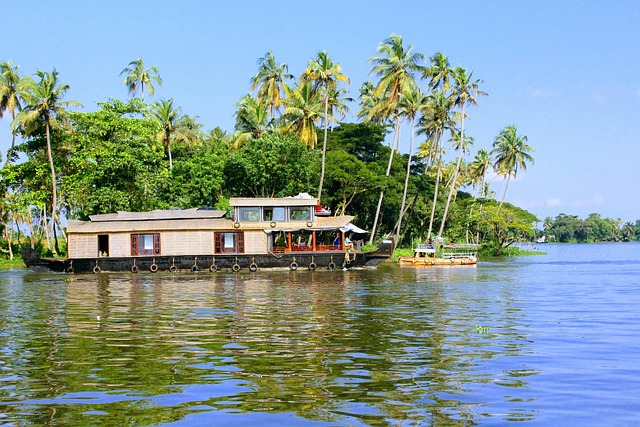
A houseboat is a boat designed to serve as a floating home. Its purpose is to provide living quarters for people who enjoy water or have limited land access. It’s used by boaters, retirees, and those seeking an affordable alternative to traditional housing near rivers, lakes, or coastal areas.
In recent years, the concept of a houseboat has evolved from a recreational luxury to a practical solution for affordable housing, particularly in urban areas facing acute space constraints. These floating dwellings offer a unique blend of living space and mobility, catering to a diverse range of users—from permanent residents seeking an alternative lifestyle to temporary occupants requiring emergency shelter.
However, the rapid proliferation of houseboats raises significant challenges related to zoning regulations, environmental impact, and safety standards. This article delves into the multifaceted world of houseboats, exploring their purpose, various uses, and the critical need for responsible regulation to ensure they remain a viable and sustainable housing option.
Understanding Houseboats: Basic Concept and Design

A houseboat is a specialized vessel designed to serve as a floating home, offering a unique lifestyle for its inhabitants. It combines the comfort and amenities of a traditional home with the freedom and portability of a boat. The basic concept involves converting a boat into a self-contained residence capable of navigating various bodies of water, be it rivers, lakes, or even seas. This innovative approach to living allows individuals and families to embrace a nomadic or permanent aquatic lifestyle, escaping the constraints of land-based living.
The design of a houseboat varies significantly depending on factors such as intended use, available space, and personal preferences. A typical houseboat features living areas, bedrooms, bathrooms, a kitchen, and storage compartments, all strategically arranged to maximize livability and functionality. Many custom houseboats are built with unique architectural elements, incorporating modern design aesthetics while ensuring structural integrity for safe navigation. For instance, some luxurious houseboats boast expansive decks, panoramic windows, and sophisticated interior finishes, transforming them into floating retreats. Conversely, more compact designs cater to practical needs, focusing on efficient use of space without compromising comfort.
Building a houseboat (or custom houseboat) requires careful planning, engineering expertise, and adherence to maritime regulations. Enthusiasts who embark on this endeavor must consider factors like stability, buoyancy, propulsion, and safety systems. While some opt for pre-designed plans, others take the challenge of crafting their own unique vessels from scratch. The process involves selecting an appropriate hull type, integrating essential amenities, and ensuring compliance with local boating regulations. Data suggests that the popularity of houseboating has been steadily rising, especially among retirees and nature enthusiasts seeking a peaceful aquatic lifestyle.
Houseboat Usage: From Recreation to Commercial Purposes
Houseboats serve a diverse range of purposes, catering to both recreational enthusiasts and commercial ventures. Beyond their use as luxurious floating homes, houseboats find application in everything from fishing charters to hospitality services. For many, building or custom-designing a houseboat offers a unique opportunity to create a vessel tailored to specific needs and preferences. This approach allows individuals to combine comfort, functionality, and accessibility on the water, making it an attractive option for those seeking a distinct aquatic lifestyle.
Recreational users often embrace houseboats as a means of expanding their outdoor experiences. Whether anchored at a peaceful cove or moored in a bustling marina, these vessels provide a home away from home, equipped with amenities akin to land-based living. From entertaining guests to enjoying leisurely days on the water, houseboats cater to various leisure pursuits. Moreover, their versatility extends into commercial domains, where they serve as mobile accommodations for everything from fishing trips and sailing charters to event hosting and even temporary housing solutions during construction or disaster relief efforts.
The adaptability of houseboats has sparked a growing trend in custom design and build projects. Skilled boat builders and owners collaborate to create vessels that seamlessly blend aesthetics, comfort, and performance. These bespoke creations often reflect individual styles and needs, featuring unique layouts, specialized equipment, and tailored features. The rise of houseboat communities and gatherings further underscores the popularity and significance of these versatile watercraft in modern society.
Navigating Regulations: Who Governs and Uses Houseboats?
Navigating Regulations: Who Governs and Uses Houseboats?
The use of houseboats, often referred to as homeboats, is subject to a complex web of regulations designed to ensure safety, environmental protection, and fair usage on waterways. These rules are implemented and enforced by various governmental bodies depending on the region, each with its own set of guidelines and requirements for building, operating, and maintaining these floating residences. For instance, in the United States, the U.S. Coast Guard, along with state and local authorities, oversees houseboat regulations, while in Europe, responsibilities often lie with national maritime administrations like the UK’s Maritime and Coastguard Agency.
Key regulatory aspects include vessel registration, safety equipment requirements, pollution control measures, and noise ordinances. Houseboat owners must ensure their vessels meet these standards to avoid penalties and fines. For those looking to build a houseboat, adhering to local building codes and obtaining necessary permits is paramount. This process involves detailed engineering plans, structural integrity assessments, and compliance with fire safety regulations, among others.
The primary users of houseboats are recreational boaters who seek an alternative lifestyle, enjoying the water while living onboard. These individuals often use their houseboats for extended trips or as permanent residences in areas where shore-based housing is expensive or scarce. Additionally, commercial operators may convert houseboats into tour boats or live-aboard accommodations, catering to a growing market of waterlovers. However, it’s crucial that all users understand and respect the regulations governing houseboat usage to ensure a safe and sustainable boating experience for everyone.